
Clouded or Clear? – how to meet your emotions with curiosity
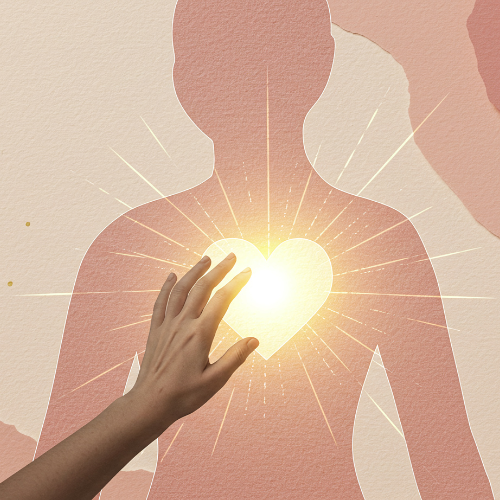
I believe our emotions are like seasons — each with their own weather, colours, and invitations. Some are easy to bask in, others feel like they’ll blow us over, and some are so subtle we barely notice them. But just like nature, they’re always moving, shifting, and layering in ways that tell us more than we realise.
Today I want to talk about those emotional layers — the feelings we meet on the surface, and the ones quietly humming underneath.
One of the biggest things I’ve learned about emotions (and something I’ll keep circling back to in future posts) is this:
What we believe about emotions shapes the way we experience them.
Not just our own emotions — but also how we react to other people’s.
From the time we’re tiny, we’re given messages — directly and indirectly — about which feelings are “okay” and which ones we need to keep tucked away.
Maybe you grew up in a household where anger was completely fine — if someone didn’t like something, they just said it. Loudly. But sadness? That had to be hidden.
Or maybe it was the other way around — sadness was met with warmth and comfort, but anger? No thank you, not in this family.
And fear… well, for some of us, that was either gently soothed, or we were told to “toughen up” and stop being scared.
All of these early experiences shape how we meet our emotions today. The beautiful thing is, as adults, we get to revisit those old beliefs, see them clearly, and (with some time and tenderness) rewrite them.
When Emotions Wear Disguises
Emotions aren’t always what they first seem. They can be layered.
Sometimes what we’re feeling on the surface isn’t the whole story.
A classic example: a parent sees their child climbing way too high in a tree.
What comes out? “Get down now!” — anger.
But underneath? Fear. “Oh my gosh, my child might fall.”
Or maybe you feel anger pushing you to shut someone out, but under that is a deep sadness and a need to be alone and grieve.
Or sadness might be sitting on top of fear.
It’s like a little weather system — clouds upon clouds — and the trick is figuring out if we’re looking at a clear sky emotion or a clouded one.
A Personal Example
Just this morning, I had one of those layered moments.
We’ve just arrived in Darwin. After months of moving and being together 24/7, I suddenly had a whole day to myself. My husband went off to his first day of work, and I came home feeling… sad.
The sadness made sense — change, goodbyes, a bit of grief. But as I sat with it, I realised there was something else under it: fear.
For weeks I’d been saying, “Once I have time, I’ll work on those things.” And now the time had arrived… and I was scared to take action.
That fear, for me, often shows up disguised as sadness and tiredness. (And yes, sometimes those states are just real in their own right — but I know myself well enough now to notice when they’re actually fear wearing a costume.)
Over-the-Top Emotions vs. Core Emotions
Sometimes the emotion we notice first isn’t the “true” one — it’s the one we’ve learned feels safer to show.
If you’ve grown up believing anger is dangerous, you might turn it into sadness or fear instead. If sadness wasn’t welcome in your world, you might feel irritation instead.
And here’s why this matters:
When we get to the clear emotion, we also get to the clear action.
If sadness is the truth, we can let ourselves grieve.
If fear is the truth, we can support ourselves to take gentle steps forward.
If anger is the truth, we can explore boundaries, speak up, and create change.
I’ve even noticed it in my relationship with Ben. Sometimes I’ll go quiet, thinking I’m sad, but when I really check in (and he lovingly asks), I discover I’m actually angry. And once I know that, I can do something about it — have a conversation, set a boundary, or find a different solution.
An Invitation
So here’s something to play with: next time a big feeling shows up, ask yourself —
Could there be another emotion underneath this one?
Sometimes the answer will be “Nope, this is it.”
Other times, you might gently discover another layer… and that’s where the real gold is.
The clearer we can be about what we’re feeling, the better we can care for ourselves — not just soothe the surface emotion, but respond to the real one in the most loving, supportive way.
The more I work with emotions, the more I see them as guides, each pointing us toward something our body and heart want us to know. Sometimes they whisper, sometimes they shout, and sometimes they show up wearing a completely different outfit just to keep us curious.
When we live in tune with our emotions — the ones that are easy to hold and the ones that feel messy or inconvenient — we live more in tune with ourselves. That’s where our power is. That’s where the deep self-trust grows.
Here’s to sitting with it all, listening deeply, and meeting the truth underneath.